When the Sardine Run Arrives
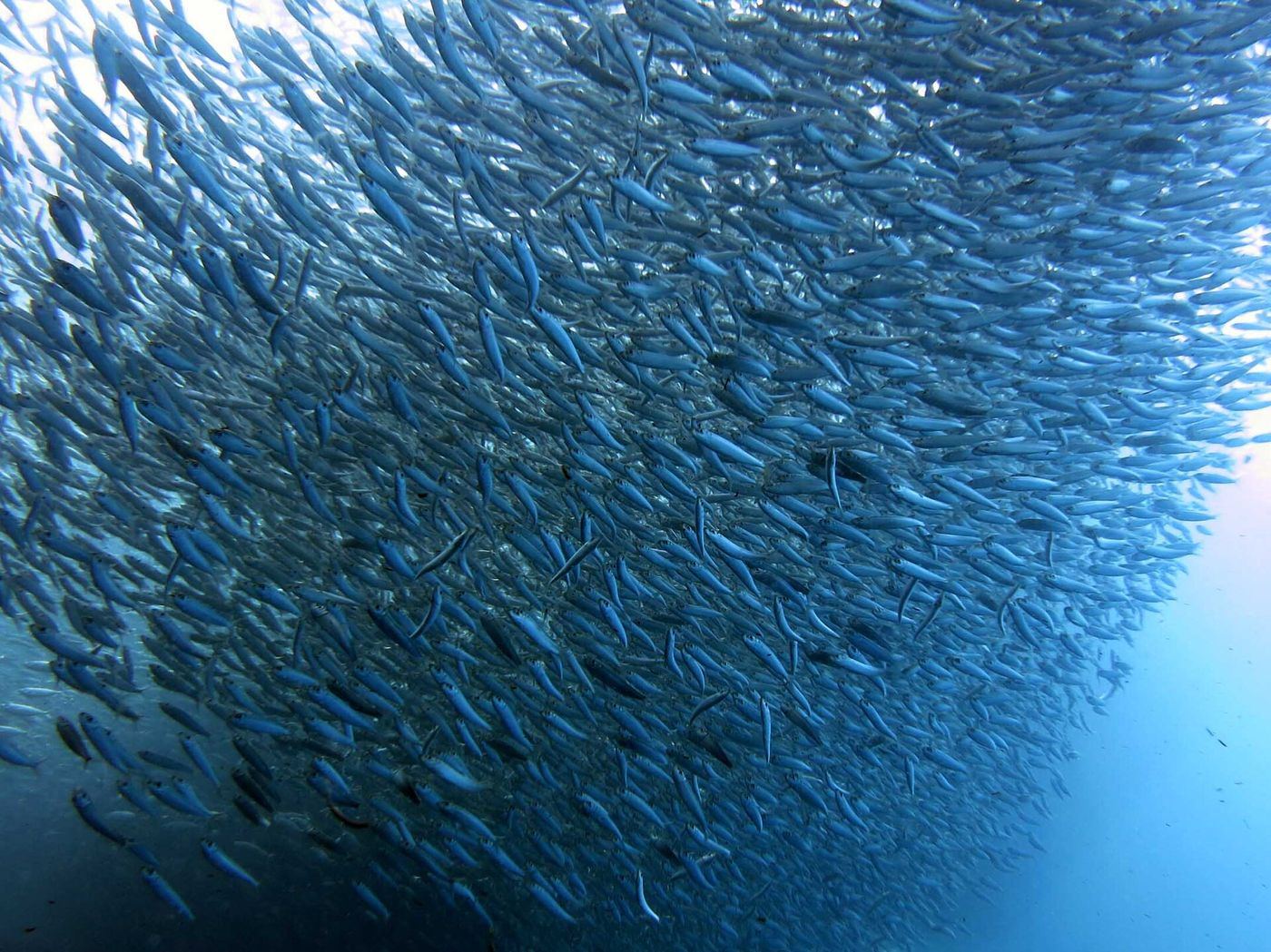
The sardine run is an annual winter phenomenon in southern KwaZulu-Natal that draws marine life enthusiasts to the coast in search of a spectacular show. But the real question is not just when it happens, but how to track the sardines safely and where to watch as they move along the KZN South Coast.
What the sardine run is
The sardine run is sparked by large shoals of sardines, usually called pilchards in SA, entering the waters of southern KwaZulu-Natal during the winter months. Air and sea temperatures, currents and the availability of food are among the factors that drive the timing and scale of the run.
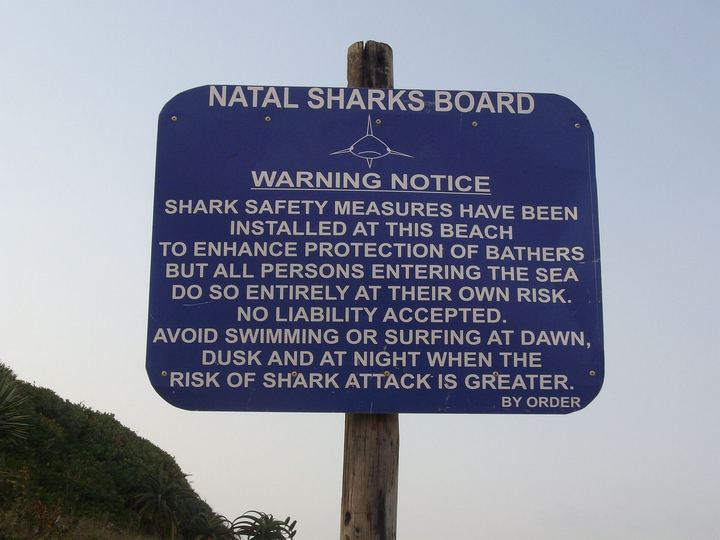
The KwaZulu-Natal Sharks Board traditionally monitors the run and removes shark protection gear before the sardine movement to allow marine animals to migrate with less threat. But any fish movement opens the door to predators, so the water becomes a focus for dolphins, sharks, Cape gannets and even whales that follow the massive shoals in pursuit of their own dinner.
When the South Coast usually sees sardines
In 2024, the KZN Sharks Board reported a sardine frenzy at Illovo Beach on June 21, with large numbers of predatory fish and dusky sharks chasing the shimmering sheen of sardines off the shoreline.A 2025 report said the board had temporarily neutralised gear from Port Edward to Isipingo, and that bathing remained banned in that section.But multiple South Coast beaches were reopened for swimming on June 27 2025 as the sardine activity moved off the shore, with just Port Edward and others named remaining off-limits at the time.
Where to watch and how to stay safe
The board says almost all the nets at beaches south of Durban are removed of fishing gear for the run, to avoid heavy mortalities of sharks and dolphins.
This rule applies all year, but especially during the sardine run: always assume the coast is unpredictable, don’t go into the water when nets are out, and follow the Sharks Board’s information and warnings.
Why the nets come out
The KwaZulu-Natal Sharks Board removes the protective shark nets in anticipation of the run. This reduces shark catches and lets other marine animals move through the waters without getting ensnared. The board says bathing is traditionally banned when nets are out for the sardine run to avoid human contact with marine life.Check an up-to-date report.
How to follow real reports, not rumours
The KZN Sharks Board usually posts reports on its website and social media in the run-up to the sardine-banking season.Add the board’s social pages, such as its official Twitter, to your feed so you’ll get the latest sighting reports. Booking an official boat launch with the company you select for the trip makes you get updates on where the shoals are for that day.
What to expect in the water and above it
Shoals of sardines bring a feeding frenzy to the South Coast waters. When sunlight reflects off the densely packed fish, it glimmers like a shimmering silver ribbon across the ocean.
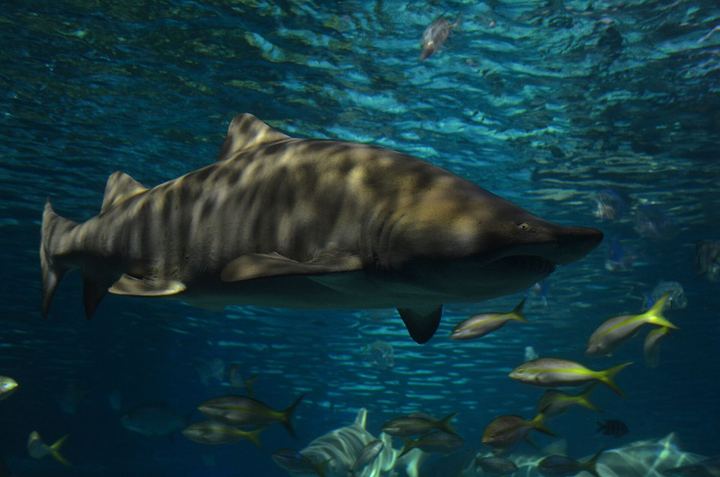
Sharks at every point of the food chain gather to feed on the mass of fish. If they are offshore, find a high viewing point looking out to sea. If the sardine banks are closer to shore, head for the beach.
Sources consulted
- KwaZulu-Natal Sharks Board Maritime Centre of Excellence: shark.co.za
- The Citizen: citizen.co.za
- KwaZulu-Natal Sharks Board Maritime Centre of Excellence: shark.co.za
- FAO-hosted paper by S.F.J. Dudley and N.A. Gribble: fao.org
- Wikipedia summary citing secondary references only: en.wikipedia.org
- South Africa Spirit: southafrica-spirit.com
- South Coast Sun via The Citizen network: citizen.co.za
- Indian Ocean Tuna Commission PDF: iotc.org