Bluebottle Sting First Aid
Your child has just been stung by a bluebottle on the beach. The tentacles are still on the skin, and they are crying in pain. What do you do? The answer is not to rub it, put sand on it, or use fresh water or vinegar. Instead, follow these simple steps:
- Get out of the water immediately and rinse the stung area with seawater.
- Remove any visible tentacles gently, with your fingers or tweezers and a gloved hand. Do not rub the area.
- Immerse the area in tolerably hot water, ideally between 42°C and 45°C (108-113°F).
- Keep the area submerged in the hot water for 20-90 minutes until the pain subsides.
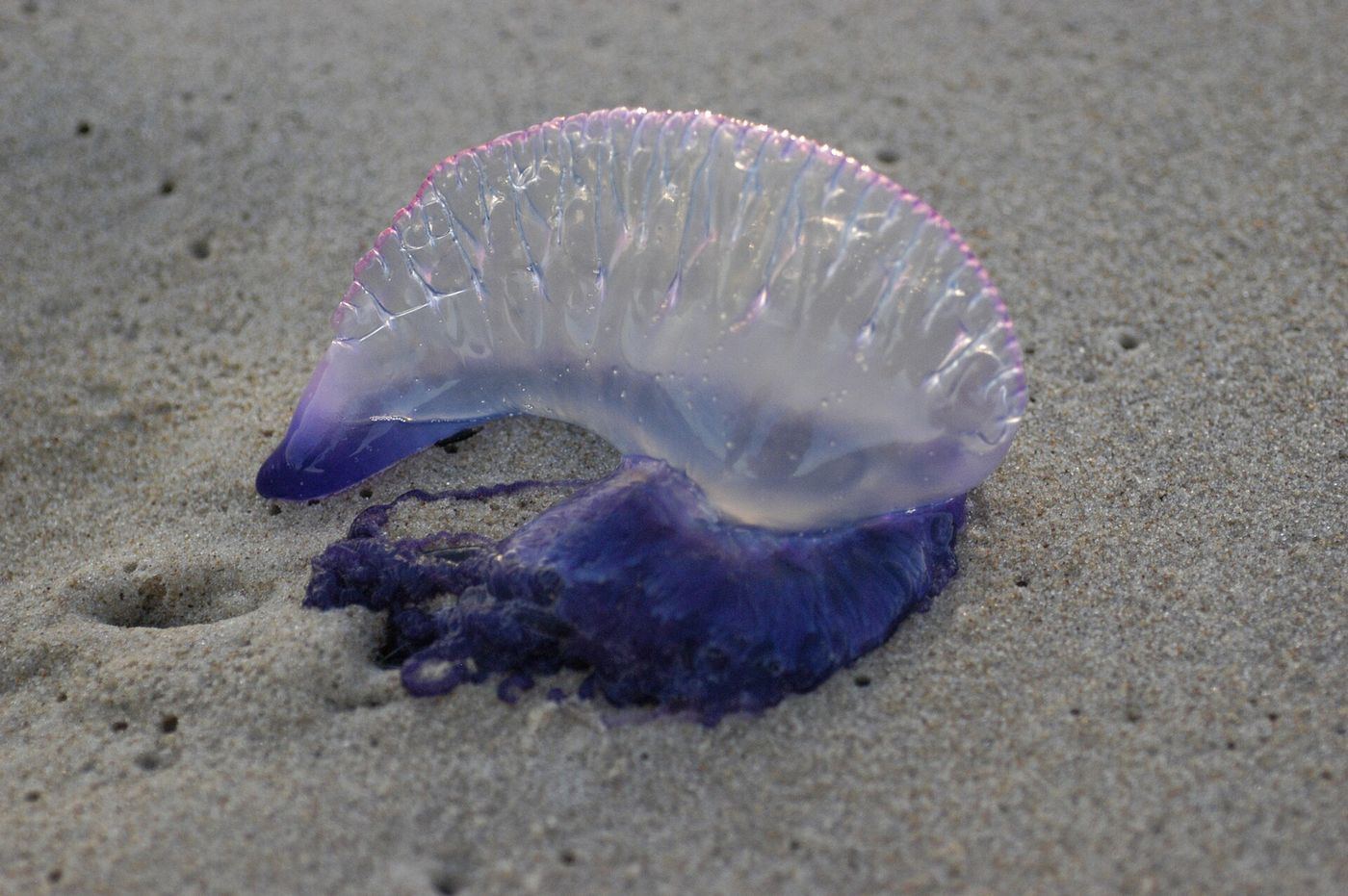
What is a bluebottle? Bluebottles float on the water's surface with their distinctive air-filled blue bladder, which acts like a sail.
If the pain from a bluebottle sting is severe, persistent, or the affected area is large, get medical help. Seek urgent attention if the sting is on the face or neck, or if the person has breathing difficulties. In most cases, though, soaking the area in hot (but not scalding) water for 20-90 minutes will ease the pain.
What To Do Straight Away
- Get the stung person out of the water. This prevents additional stings.
- Rinse the sting site with seawater to wash away remaining tentacles and stingers. Never use fresh water, cold water, or urine. Fresh water and urine can trigger the release of more irritants, while cold water can't break down the remaining tentacles.
- Gently remove any visible tentacles from the skin with a gloved hand or tweezers. Discard the tentacles far away from the stung area to avoid further stings. Some tentacles may be thin and hard to see. Be diligent.
- Soak the stung area in tolerably hot water as soon as possible. Aim for between 42°C and 45°C (108–113°F). Soak for 20-90 minutes, or until the pain subsides. If the pain persists, repeat the hot water soak.
- After soaking, pat the area dry with a towel. Avoid rubbing, as this can release more stingers and cause more pain.
- Keep the victim calm and comfortable. If the sting is on an arm or leg, elevate the limb if possible.
When to Get Medical Help
While bluebottle stings rarely cause severe or life-threatening complications, immediate medical attention is needed in certain cases:
- If the sting affects a large area of the body
- If the affected area is on the face, neck, or genitals
- If the victim develops an allergic reaction, such as difficulty breathing, swelling, or hives
- If pain is severe, worsening, or persists despite hot water treatment
- If the victim is a small child, elderly, or has a chronic health condition
What Not to Do
Several common myths surround treating bluebottle stings. The following can make the sting worse or be ineffective:
- Do not apply vinegar. Vinegar should only be used for tropical jellyfish stings, not bluebottle stings. Vinegar may increase pain for bluebottle stings.
- Do not use ice packs or cold water. Cold water cannot break down the stingers and may make the pain worse.
- Do not rub the area. Rubbing can cause more stingers to penetrate the skin, increasing pain and irritation.
- Do not use urine. Urine contains water, salt, and urea. Dripping urine over the sting site can also make it harder to apply the hot water treatment, which is a necessary and proven therapy.
- Do not bury the area in sand. Sand is abrasive, which can make the sting worse. Plus, applying hot water treatment is more effective for reducing pain.
How to Reduce Stinging Risks
While bluebottles can be dangerous, it's possible to reduce their risk during beach trips:
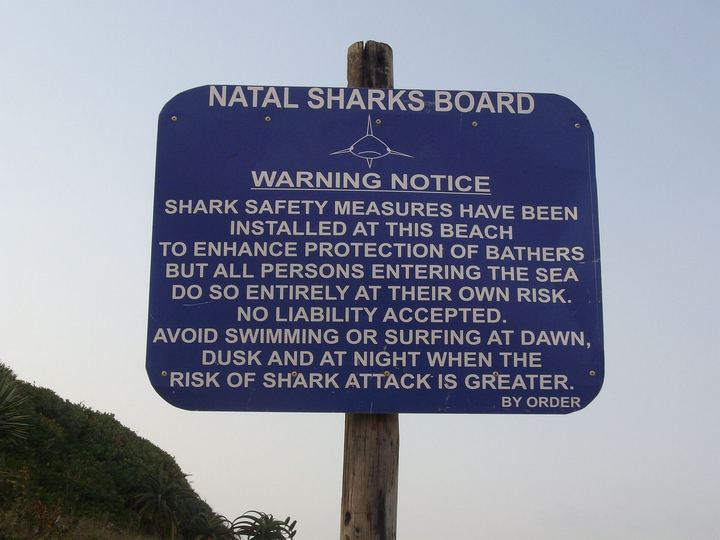
- Swim within designated areas. Some beaches may have signs about bluebottle risks.
- Check beach safety flags. Check beach flags for warnings before entering the water. Lifeguards may be aware of nearby bluebottle activity.
- Be aware of the weather. Bluebottles tend to wash ashore during onshore winds. Check the weather forecast and consider avoiding the beach on windy days.
- Don't swim near washed-up jellyfish or bluebottles. Even if a bluebottle looks dead, it may still sting.
By knowing how to identify and remove bluebottle stings and when to seek medical attention, you can be prepared to handle a situation safely, should one arise.
Sources consulted
- Royal Australian College of General Practitioners: racgp.org.au
- NSW Health Emergency Care Institute: aci.health.nsw.gov.au
- healthdirect Australia: healthdirect.gov.au
- MediBC: medibc.com
- NIB: nib.com.au
- East Coast Radio: ecr.co.za
- Getaway: getaway.co.za