How KZN Shark Nets Work
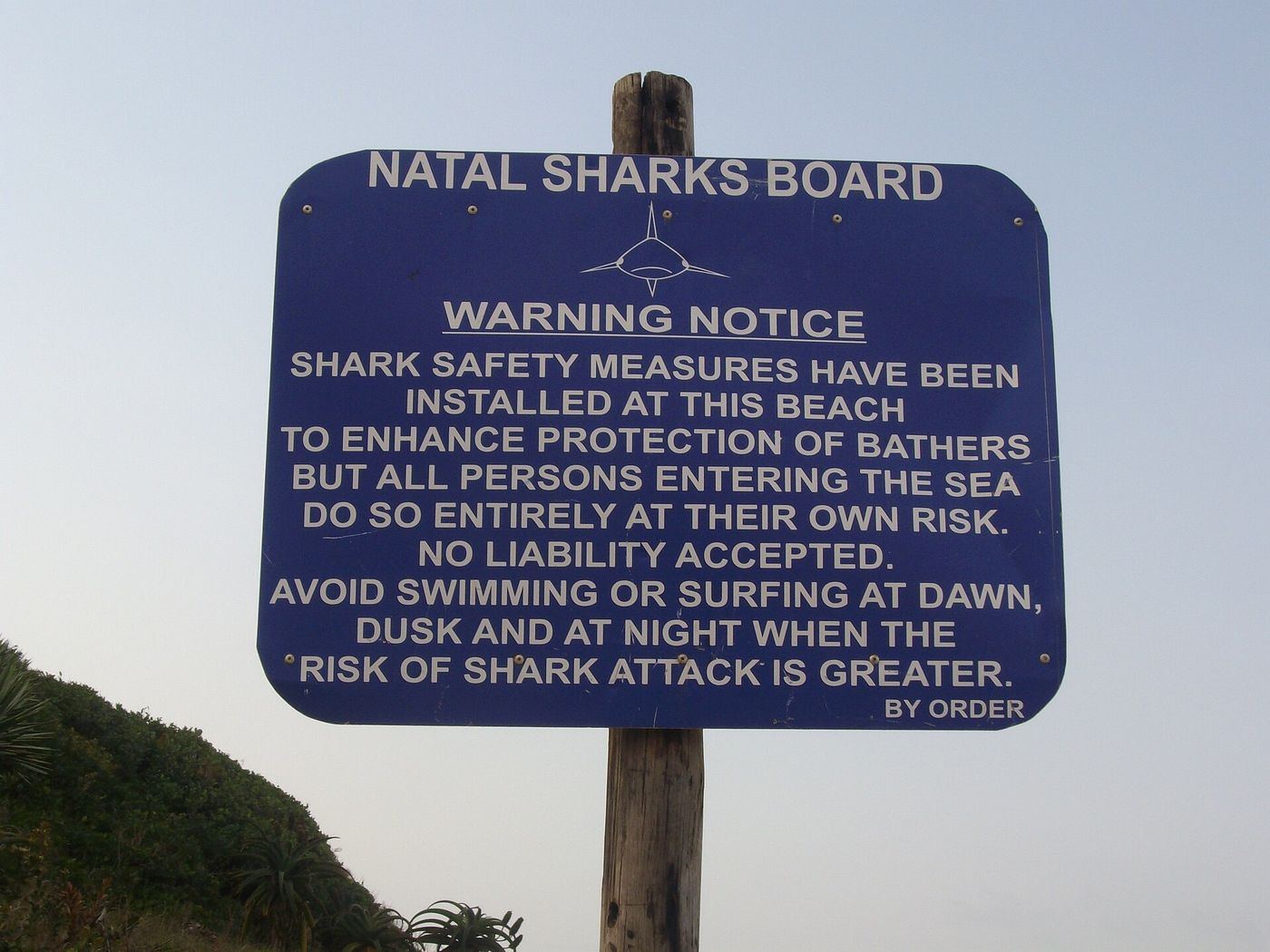
Shark nets and drumlines deployed by the KwaZulu-Natal Sharks Board are offshore gear that reduces the risk of shark encounters at 37 beaches between Richards Bay and Port Edward, rather than creating a physical seal that stops every shark.
The KwaZulu-Natal Sharks Board provides important protection against shark attack at 37 beaches along a 320 km stretch of coastline, from Richards Bay in the north to Port Edward in the south. The organisation uses a combination of large-mesh gillnets and baited drumlines to reduce the chances of a dangerous shark encountering humans.
The majority of the shark nets deployed are 214 m long and extend 6 m deep, with a mesh size of 51 cm. Most beaches are protected by two parallel netted lines laid about 400 m offshore in water between 10-14 m deep. However, the exact number of nets and drumlines can vary.
Drumlines are different from shark nets. They consist of an anchored float with a single baited hook suspended from it. Most beaches are protected either by two nets or a combination of one net and four drumlines.
The move from netting to drumlines was driven by a desire to reduce the unintentional capture of non-shark species like whales, dolphins, and turtles. The KwaZulu-Natal Sharks Board itself reports that this switch to more drumlines has resulted in a 47.5% reduction in bycatch of these non-target species.
However, this modification reflects a broader change in thinking.
The KwaZulu-Natal Sharks Board is clear on its current mission - to reduce the likelihood of dangerous shark encounters, not to eliminate every shark entirely.
Therefore, it is always important for swimmers to understand that lifeguard-protected, netted beaches are the safest to swim at. Beyond sardine-run periods when gear may be removed, look for the marked safety zones and follow warnings. But know that no net provides an unbreakable guarantee.
Some protective beaches also have additional variances that may make them safer than others, such as the terrain of the beach itself or weather conditions. Shark activity is always a risk, regardless of defensive measures.
With that in mind, the most important piece of advice and final piece to rest on is this: For the ultimate safety of bathers, always swim within marked, lifeguarded zones at netting-protected beaches when available, and be aware that some areas may remove netting seasonally.
Sources consulted
- KwaZulu-Natal Sharks Board Maritime Centre of Excellence: shark.co.za
- KwaZulu-Natal Sharks Board Maritime Centre of Excellence: shark.co.za
- KwaZulu-Natal Sharks Board Maritime Centre of Excellence: shark.co.za
- Coast KZN: coastkzn.co.za