Blue Flag Beaches Explained
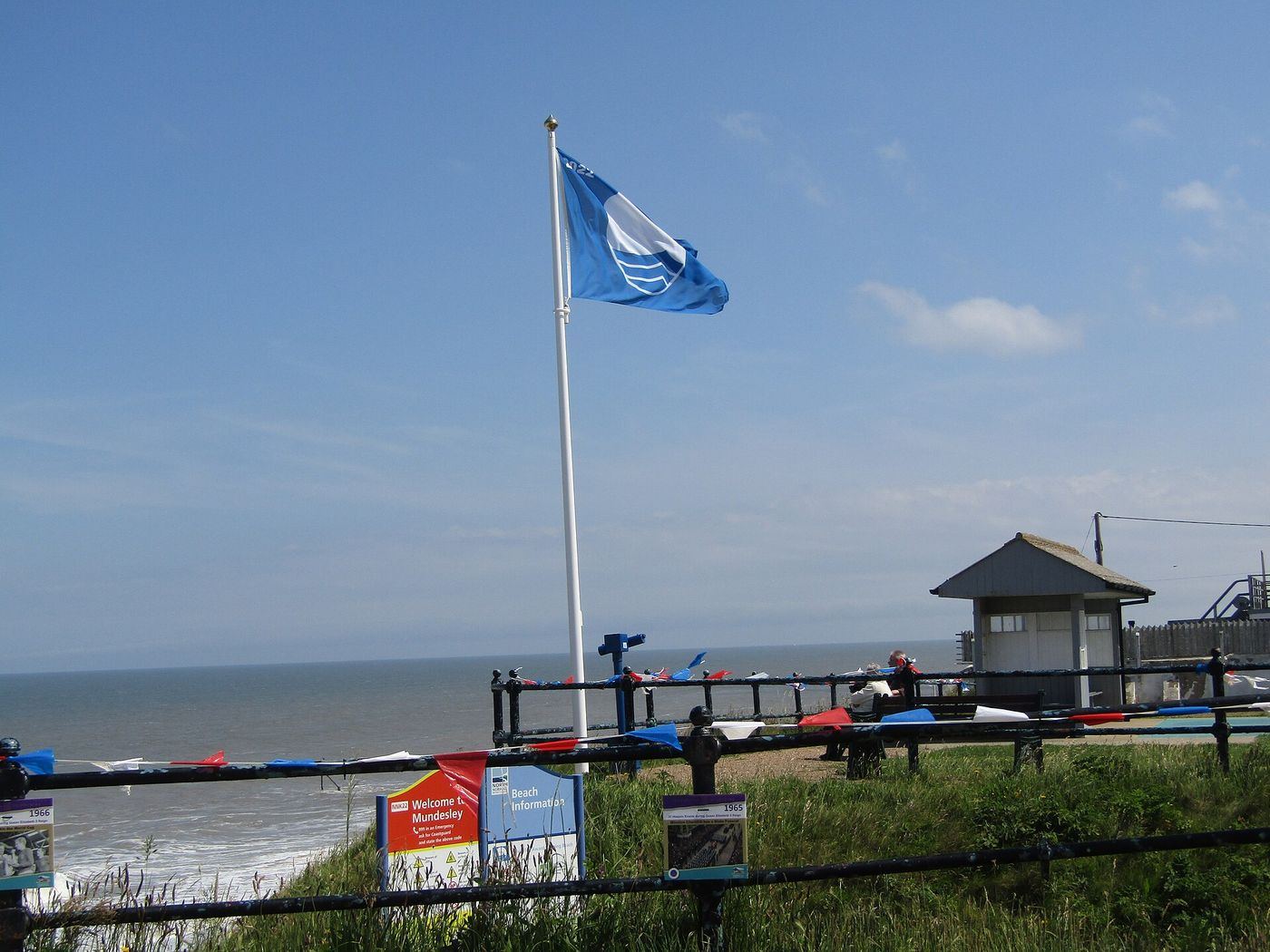
A Blue Flag flying over a beach is a common sight in KZN, but what does the flag actually mean? The short answer: it signals the beach is meeting a set of monitored standards, not that the water is guaranteed safe from all hazards and certain changes in conditions.
Blue Flag is a standards programme, not a promise
The Blue Flag award is a voluntary programme run by the WESSA ( Wildlife and Environment Society of South Africa). Beaches gain the Blue Flag by meeting standards in four areas: water quality, environmental information and education, environmental management, and safety and services. The programme aims to promote sustainable development of South African beaches through safety, access and sustenance.
Importantly, the Blue Flag award does not mean the local municipality guarantees the beach will be safe for swimming and other water activities. It means the beach is being monitored and meeting WESSA's benchmarks. Receiving the award involves many factors, including water quality levels, safety features, and educational signage. The information displayed on beaches tells the public about water quality, coastal wildlife, and environmental systems.
What the flag actually checks
For a beach to qualify for a Blue Flag, 20 water-quality samples are required, which are used to certify the beach’s suitability for water-related activities. The tests focus on E. coli and Enterococci bacteria, with limits of 250 cfu/100 ml and 100 cfu/100 ml respectively. Water quality is crucial for Blue Flag status, but it’s one of several benchmarks, not the only one.
Once a beach gains the Blue Flag, ongoing tests ensure the standards are met. During the Blue Flag season, weather and water reports are presented on the beach. Seawater temperatures and sampling information are available, detailing water quality. Beautifully kept recreation area signs display information about local flora and fauna, maritime features, and other interesting local issues. Blue flags are a quality of life indicator as much as a safety assurance.
Why a flag can change or disappear
While a Blue Flag signals some commitments to water quality and safety, it’s not a lifetime certification or a "go ahead, dive in" permanent guarantee. Year to year, the flag seasons and statuses can shift.
Current-season statuses are season-dependent, which means only beaches that have been certified for that specific season will fly a Blue Flag. WESSA’s Blue Flag Public Listing page notes beaches that are currently qualified. Sample collection and testing are central to Blue Flag oversight, but there is no certitude that the water is safe every minute.
Which beaches have been awarded a flag
The South Coast’s Blue Flag beaches listed in reporting for 2024/2025 include Marina Beach, Trafalgar Beach, Southport Beach, Umzumbe Beach, Ramsgate Beach, Hibberdene Beach and Pennington Beach.
It’s prudent to avoid using old forums or news stories to definitively guide a decision to swim at a KZN blue flag beach. Perform due diligence by checking the current season table on WESSA’s website. This will make you a well-informed beachgoer and perhaps avoid misunderstandings that could be costly or even dangerous.
The Blue Flag award means much, but not safety specifically. It’s an extensive audit of beach quality and oversight, but not a comprehensive seal of approval for water safety.
Sources consulted
- WESSA, Blue Flag South Africa: wessa.org.za
- WESSA Coastal Programme material on Blue Flag: wessa.org.za
- Beach Awards Ireland Blue Flag Beach Criteria: beachawards.ie
- IOL: iol.co.za
- South Coast Herald: citizen.co.za