Weather Warning Levels Explained
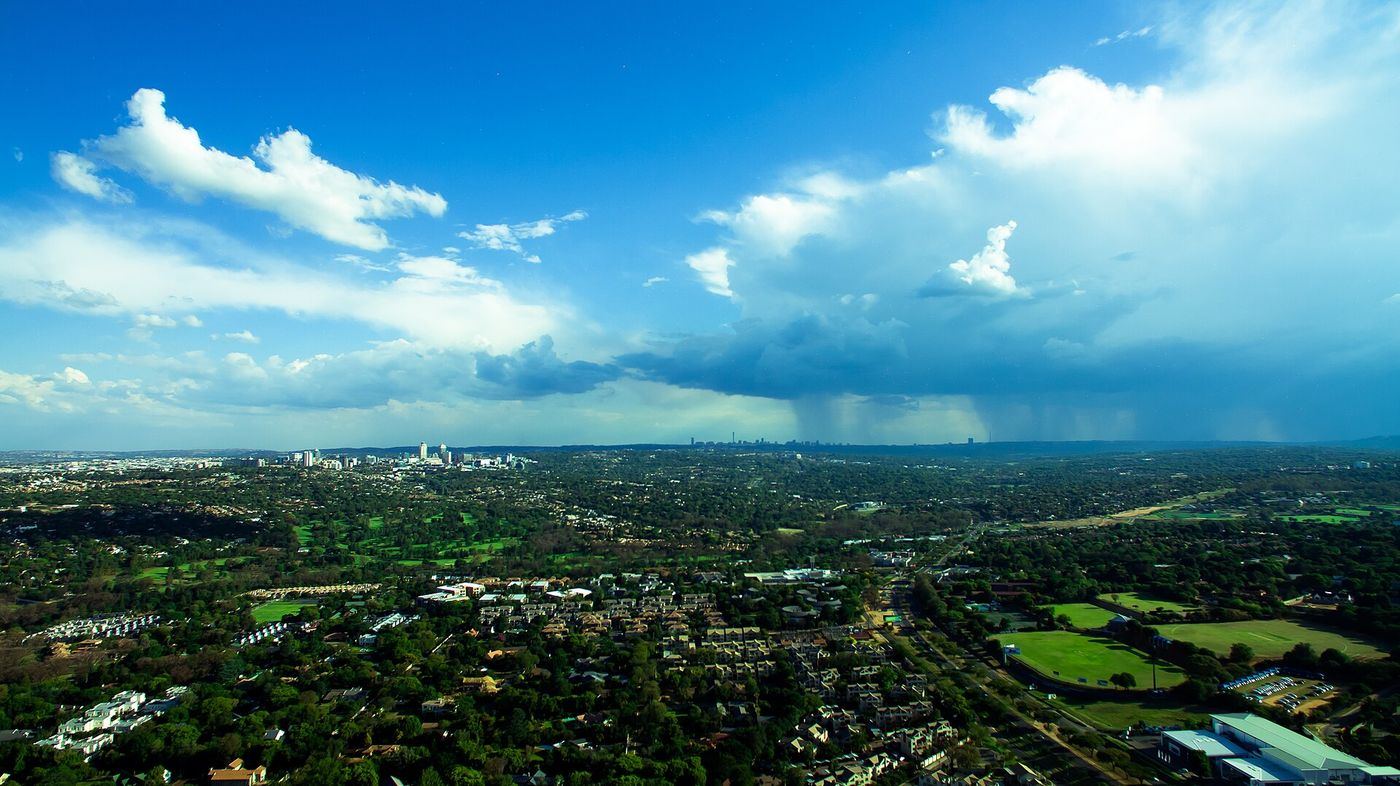
If you're living in South Africa, particularly along the KwaZulu-Natal (KZN) coast, receiving a weather warning can be concerning, especially if you're unsure about what specific color levels indicate. The South African Weather Service (SAWS) uses a sophisticated matrix system to assess the impact of various weather events based on their likelihood and potential effects.
When the color of the warning is orange, residents should expect significant to severe impacts that may disrupt daily life, requiring preparation and action. Understanding the differences between warnings' colors helps safely weather potential hazards helping residents decide whether to shelter in place, avoid certain areas or evacuate if necessary.
How SAWS Warning Levels Work
The South African Weather Service (SAWS) uses an impact-based warning system that combines the expected impact of a weather event with its likelihood on a matrix. This system provides residents with clear and actionable information based on the forecasted weather event's potential to cause disruption or damage.
The warning levels are color-coded across a 1-to-10 scale, with yellow indicating minor to significant impacts that require awareness and caution. An orange warning signifies significant to severe impacts, calling for preparation and action. Red is the highest warning level, reserved for the most severe weather events that call for immediate protective action.
What the Warnings Cover
SAWS issues various warning types, each covering different potential weather-induced hazards and disruptions. These warning types include:
- Disruptive rain: Flooding of roads, bridges, settlements, and low-lying areas, as well as damage to property and infrastructure.
- Damaging winds: Interruptions to power, communication, and other utilities and services, damage to settlements, injuries, and danger to life from flying debris.
- Damaging waves: Disruption to small harbours or ports, danger to navigation, disruption of coastal activities, damage to infrastructure and settlements, injuries and danger to life from flying debris.
- Severe thunderstorms: Flooding of formal and informal settlements, roads and bridges, wind and hail damage to structures, falling trees, and disruption of municipal services due to excessive lightning.
What an Orange Warning Means on the KZN Coast
Residents of the KZN coast should pay particular attention to orange-level warnings, as they indicate significant to severe weather impacts that may require preparation and action.
Where to Check Official Warnings
Residents should always verify the latest weather warnings directly from official SAWS sources. Warnings are published on the SAWS website under its warnings pages, and the SAWS homepage provides a convenient hub for accessing current weather information and links to warnings.
The Bottom Line
SAWS' color-coded warning system is a critical tool for keeping KZN coastal residents informed and proactive in the face of potentially hazardous weather events. When an orange warning is issued, residents should carefully review the associated warning type and take appropriate action based on the expected impacts. Always check the SAWS warnings page and homepage for the most up-to-date and official information to ensure your safety and wellness.
Sources consulted
- South African Weather Service, Warnings/Impact Based Severe Weather Warning Syst: weathersa.co.za
- The South African: thesouthafrican.com
- SA News and SAWS-linked reporting on issued warnings: sanews.gov.za
- News24 citing SAWS: news24.com
- SA News citing SAWS: sanews.gov.za
- South African Weather Service, homepage: weathersa.co.za
- News24 citing SAWS: news24.com