Drone Patrols Take Flight in Shark Watch as KZN Considers Pilot
31 October 2026
Drone surveillance has become a key tool in Australia's arsenal for monitoring sharks and enhancing beach safety. Now, the KwaZulu-Natal (KZN) south coast may soon follow suit, with reports of a planned summer safety trial using unmanned aerial vehicles (UAVs) at Margate and Scottburgh beaches.
While few specific details have been published about the proposed pilot in KZN so far, the proposed initiative fits into an established broader trend in Australia of leveraging drone technology for real-time shark detection. In 2022 Queensland police drones spotted 5 sharks including a great white, made possible by a camera mounted high above the beach.
So how exactly do these aerial patrols work?
In a nutshell, specialized drones equipped with high-resolution cameras and sensors are deployed to fly patrol patterns along popular beaches and surf zones. Using real-time video feeds and advanced image analysis, trained operators on the ground can quickly identify and track sharks of concern.
The drones provide an ideal solution for surveilling large areas of ocean unimpeded by surf and breaking waves. Whereas shore-based observers can easily miss or misidentify sharks, an aerial vantage point offers an unobstructed view to distinguish between species, estimate size, and track swimming paths down to the meter.
NSW's multi-year drone trials demonstrated the game-changing potential of this approach. A 2021-2022 study released by DPI found that drones spotted sharks on 6% of flights, making a total of 283 high-threat shark sightings across 8 beaches. Of the 646 sharks seen, 37% were bull sharks over 2.5 meters long, and 25 were bull sharks over 3 meters. Findings were consistent with earlier trials, which reported almost 10% of flights requiring warnings, including 46% of flights above 2.5 meters.
In practice, the drones operate from early morning through to late afternoon. When a shark is sighted near swimmers, lifeguards are immediately notified. Depending on the size and proximity of the shark, they may sound an alarm, send a warning to water users, or temporarily close that section of beach.
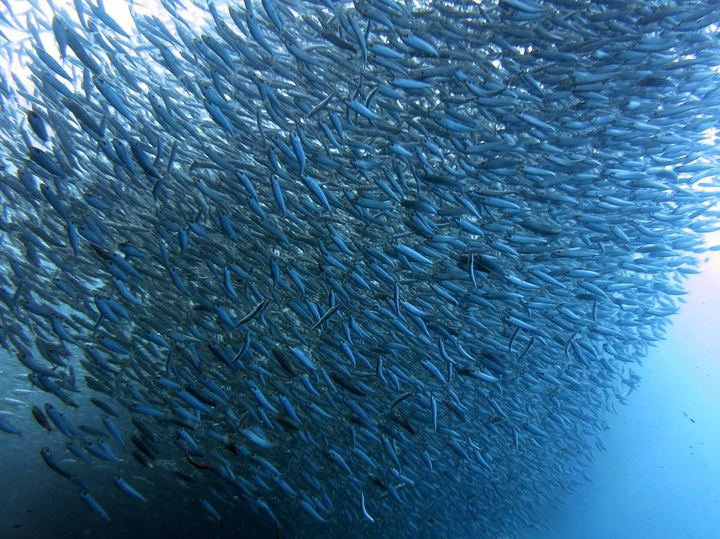
While the exact setup of any proposed KZN trial remains unclear, it would follow the tested Australian model. Island-hopping sardines, swarming bait balls and following sharks are disrupting the fishing industry - would drone shark patrols really help the fisheries industry? If nothing else, the pilot would help assess the feasibility and cost benefits of drones versus traditional techniques like spotter jets or shark nets and drumlines.
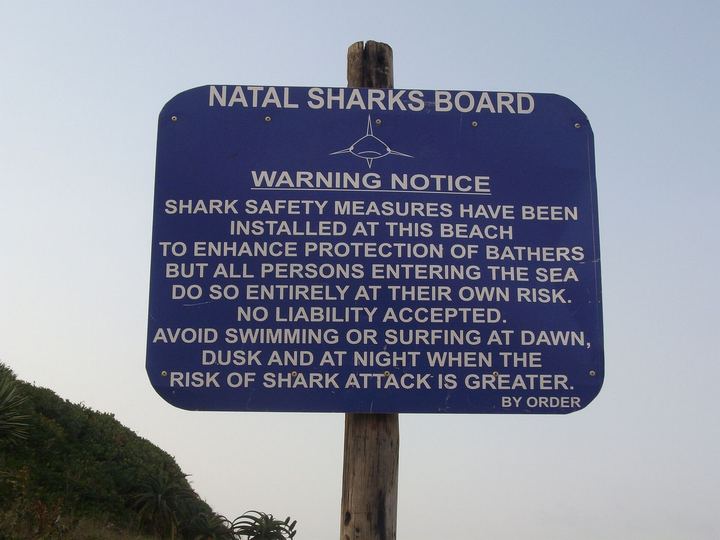
Of course, drones alone cannot solve all the challenges of beach safety. They are best used as a complementary tool alongside other proven measures like shark nets, drumlines, or personal shark repellent devices. Some beaches in South Africa are already testing wearable notification systems, or in other states SMS alerts and giant flags.
As shark populations rebound in many South African waters, finding the right balance of conservation and safety will be key. Clumsy intervention can have a big impact, but consistent data from drone monitoring could greatly improve how it is done. Future developments such as AI-based shark species identification or autonomous drones could push the technology even further.