The KwaZulu-Natal South Coast is revving up its shark safety measures with a new drone monitoring program after recent sightings near the popular beaches of Scottburgh and Umkomaas.
21 October 2026
The KwaZulu-Natal Sharks Board (KZNSB) announced the launch of rotating drone patrols along the coast, aiming to provide real-time visual coverage where sharks may be present. The initiative comes on the heels of several sightings in the Scottburgh and Umkomaas areas, prompting community concerns about swimmer safety.
Recent reports recorded up to 33 shark sightings during routine surveillance flights. Drone flights will help reassure the public that sightings do not indicate immediate danger, as improved monitoring capabilities now detect sharks more frequently than before.
While KZNSB officials emphasized that shark incidents remain rare – a sentiment echoed by Lifesaving South Africa – the board felt the proactive measures were an important step to allay public anxieties.
The provincial entity has some existing aerial monitoring capacity, with surveillance flights in 2023 recording 33 shark sightings in a single patrol, demonstrating shark activity near popular beaches.
The evolution of shark safety measures
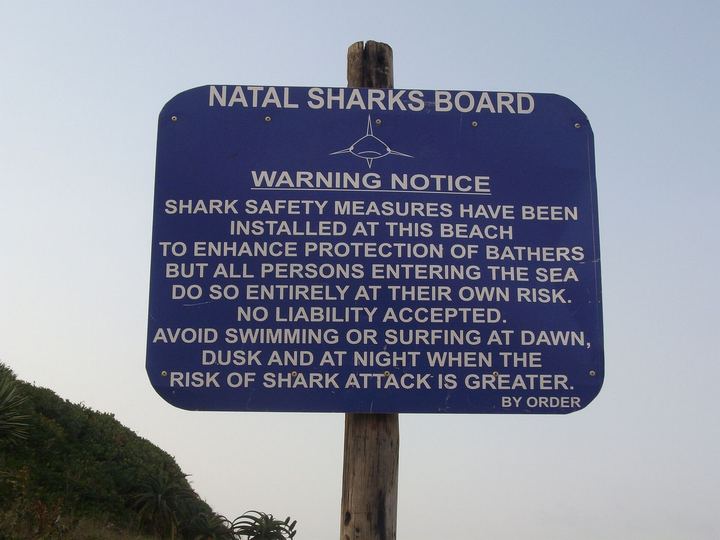
The KZNSB has been responsible for operating shark safety measures along the KZN coastline since 1962. Nets and drumlines with baited hooks have been the mainstay of their approach at many popular beaches, with the goal of reducing shark encounters near swimmers. They have also developed non-lethal solutions, including electric barriers that simulate kelp forests to deter sharks.
However, there is growing recognition that lethal measures like nets and drumlines have contributed to significant declines in shark populations, raising concerns about the environmental impact. The recent focus on more sustainable, non-lethal shark monitoring techniques is reflected in policy reviews.
Drone technology shows promise
One promising alternative is the use of unmanned aerial vehicles (UAVs), commonly known as drones. These can provide real-time imaging to spot sharks and alert authorities to potential risks, without physically harming the animals.
The KZNSB's decision to expand its use of aerial monitoring through drones aligns with the findings of recent research on sustainable shark management. A 2019 study demonstrated how drones equipped with imaging software could effectively detect sharks in coastal waters. The research also noted that drones could potentially carry small payloads, such as flotation buoys or deterrent devices, which could aid in quick risk assessment and management.
International success stories
Furthermore, international adopters of drones for shark safety report encouraging results. Australia's Queensland SharkSmart program conducted thousands of drone patrols between 2020 and 2023, documenting hundreds of shark observations. This data collection improves public safety and enhances our understanding of shark behavior.
Meanwhile, the Australian state of New South Wales implemented a drone surveillance project covering 34 beaches, resulting in hundreds of shark sightings and numerous safety alerts during peak seasons. The program demonstrated drones' ability to provide wide coverage and quickly respond to potential threats.
A sustainable way forward
The expansion of drone use in shark management is part of a broader push for sustainable conservation efforts. South African authorities have expressed a commitment to balancing public safety with shark conservation. The national Shark Biodiversity Management Plan emphasizes the need for long-term monitoring programs, a key element of the drone-based strategy.
While the KZNSB couldn't immediately provide full details about the drone program's implementation, a spokesperson confirmed the project represents a significant advancement in shark management for the province.
In a statement, the KZNSB said: "We are implementing this new technology to provide an additional layer of protection for beachgoers. Our aim is to ensure our beaches remain safe while embracing more sustainable practices. We will be closely monitoring outcomes to refine our approach."
The spokesperson noted that KZNSB's decades of shark monitoring experience will inform the new drone program's development.
As the KZNSB implements its new drone surveillance program, it signals a shift toward more sustainable shark management in response to public safety concerns. Combining advanced technology with conservation principles, the initiative represents progress in protecting both beachgoers and marine life along the KZN coastline.